






周易筮法是中國最古老的占卜術之一,以蓍草演算六爻卦,推算吉凶禍福。
IchingShifa is a Python library implementing the ancient Chinese I Ching (周易) stalk divination method, complete with Najia (納甲) hexagram interpretation, Chinese calendar integration, and a full 64-hexagram database.
- 簡介 Introduction
- 功能特色 Features
- 背景 Background
- 大衍之數 The Number of DaYan
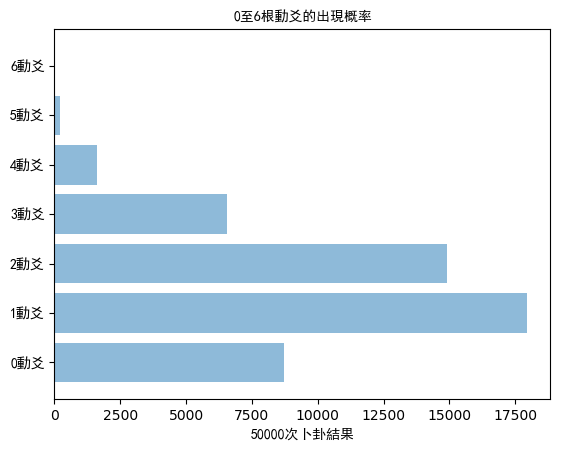
- 處理變爻 Handling Changed Lines
- 納甲 Najia
- 安裝 Installation
- 快速起卦 Quick Start
- API 說明 API Reference
- 排盤範例 Display Example
- 軟件 Application
- 微信公眾號 WeChat
- 授權 License
ichingshifa 是一個以 Python 實現的周易六爻筮法套件庫,提供完整的大衍蓍草起卦算法、納甲排盤、干支五行推算及六十四卦解讀,是學習及研究周易六爻的強大工具。
ichingshifa is a Python library that faithfully implements the classical I Ching (Zhouyi 周易) stalk divination algorithm. It provides:
- Authentic DaYan (大衍) yarrow-stalk simulation
- Full Najia (納甲) hexagram layout with Heavenly Stems and Earthly Branches
- 64-hexagram database with line texts (爻辭), judgments (彖辭), and images (象辭)
- Integration with the Chinese lunisolar calendar (干支紀日)
- Support for divination by random, current datetime, custom datetime, or manual line input
- A ready-to-use Streamlit web application
| 功能 Feature | 說明 Description |
|---|---|
| 🎋 大衍蓍草筮法 | 模擬真實蓍草起卦過程 / Authentic yarrow-stalk simulation |
| 📅 按時間起卦 | 以指定或當前年月日時起卦 / Divination by date and time |
| ✍️ 手動輸入爻值 | 輸入六爻數值(6/7/8/9)自動排盤 / Manual line-value input |
| 🗂️ 六十四卦資料庫 | 完整卦辭、爻辭、彖辭及象辭 / Full 64-hexagram text database |
| ☯️ 納甲排盤 | 干支、五行、六親、六獸、世應、伏神 / Najia with full metadata |
| 🌙 農曆換算 | 自動換算公曆與農曆干支 / Solar ↔ lunisolar calendar conversion |
| ⚔️ 主客勝負 | 分析比賽或事件雙方優劣 / Host vs. guest outcome analysis |
| 📱 移動端應用 | Kivy 編寫的 Android App / Android app built with Kivy |
| 🌐 網頁應用 | Streamlit 網頁排盤系統 / Streamlit web divination board |
"筮"是傳統的周易起卦方式。古人以50根蓍草作為占卜工具,名為策,故此法亦稱"籌策"占卜。《周易系辭上傳》辭曰:
"大衍之數五十,其用四十有九。分而為二以像兩,掛一以像三,揲之以四以像四時,歸奇於扐以像閏,五歲再閏,故再扐而後掛。天一地二,天三地四,天五地六,天七地八,天九地十。天數五,地數五,五位相得而各有合。天數二十有五,地數三十,凡天地之數五十有五。此所以成變化而行鬼神也。"
整個起卦過程是要求得十八個隨機數目,當中包括"六次"(即六根爻)的"三變"。每爻數值為 6(老陰)、7(少陽)、8(少陰) 或 9(老陽) 之一,六爻由下而上排列成本卦(BenGua 本卦)。老陰(6)與老陽(9)為動爻,動爻變化後另成之卦(ZhiGua 之卦)。
"Shi" (筮), or Stalk Divination, is one of the oldest I Ching divination methods in Chinese civilization. Ancient diviners used 50 yarrow stalks as their oracle tools. According to the Xici Zhuan (繫辭傳) commentary of the Zhouyi, the number of DaYan (大衍) is 50, with one set aside, leaving 49 stalks for use.
The 49 stalks are split randomly into two groups, one stalk is set aside from the right group (guayi 掛一), and the remainder of each group is counted off in fours (shesi 揲四). This process is repeated three times to determine a single line value of 6 (Old Yin 老陰), 7 (Young Yang 少陽), 8 (Young Yin 少陰), or 9 (Old Yang 老陽).
Repeating this for all six lines (bottom to top) produces the BenGua (本卦, Primary Hexagram). Lines valued 6 or 9 are "changing lines" — Old Yin transforms into Young Yang and Old Yang into Young Yin — producing the ZhiGua (之卦, Derived Hexagram).
以下為一變的 Python 實現(Three-Change process, first change shown):
import random

# 一變的過程 / First Change
n = 2
stalks_first = 50 - 1          # 把太一拿走 / Remove the TaiYi stalk
dividers = sorted(random.sample(range(24, stalks_first), n - 1))  # 分二 / Split into two groups
division = [a - b for a, b in zip(dividers + [stalks_first + 10], [10] + dividers)]
guayi = 1                       # 掛一 / Set aside one stalk from right group
right = division[0] - guayi
left_extract = division[1] % 4  # 揲四 / Count off in fours (left)
if left_extract == 0:
    left_extract = 4
right_extract = right % 4       # 揲四 / Count off in fours (right)
if right_extract == 0:
    right_extract = 4           # 歸奇 / Collect the remainders
bian = left_extract + right_extract + guayi  # 一變結果 / First-change value
# 其餘二變倣效此法 / Repeat for 2nd and 3rd changes
三變完成後,以 (49 - 一變 - 二變 - 三變) ÷ 4 得出爻值(6、7、8 或 9)。
After three changes, the line value is (49 − first change − second change − third change) ÷ 4, yielding 6, 7, 8, or 9.
參考自【宋】‧朱熹、蔡元定《易學啟蒙》卷下 考變占 / Based on ZhuXi's "Yi Xue Qi Meng", Song Dynasty
| 動爻數 Changed Lines | 中文斷法 Chinese Rule | English Rule |
|---|---|---|
| 0 爻不變 | 占本卦彖辭,以內卦為貞,外卦為悔 | Consult the judgment (彖辭) of the Primary Hexagram |
| 1 爻變 | 以本卦變爻辭為主 | Use the text of the single changed line |
| 2 爻變 | 以本卦二變爻辭占,以上爻為主 | Use both changed-line texts; the upper line takes precedence |
| 3 爻變 | 占本卦及之卦彖辭;初爻變主貞(本卦),二爻起變主悔(之卦) | Consult both hexagram judgments; lower change → BenGua; upper change → ZhiGua |
| 4 爻變 | 以之卦二不變爻占,以下爻為主 | Use the two unchanged lines of ZhiGua; lower line takes precedence |
| 5 爻變 | 以之卦唯一不變爻占 | Use the single unchanged line of ZhiGua |
| 6 爻皆變 | 乾坤占二用爻,餘卦占之卦彖辭 | For Qian/Kun use the "用" lines; others use ZhiGua's judgment |
漢元帝時期,易學名家京房(師從焦延壽)開創京氏易學,將筮法融入干支納甲體系:以八宮卦為綱,每爻配以天干地支,再結合五行生剋、六親(父母、官鬼、妻財、兄弟、子孫)、六獸(青龍、朱雀、勾陳、螣蛇、白虎、玄武)、五星(太白、太陰、歲星、熒惑、填星)、月建、日辰及二十八宿,構成完整的六爻象數推演體系,為後世六爻學奠定基礎。
During the Han Dynasty, I Ching master Jing Fang (京房), a student of Jiao Yanshou, founded the Jing-style I Ching school. He integrated the yarrow-stalk method with the Najia (納甲) system, mapping Heavenly Stems and Earthly Branches onto each hexagram line. Subsequent scholars further enriched the system with:
- Five Elements (五行): Wood, Fire, Earth, Metal, Water and their interactions
- Six Relatives (六親): Parents (父母), Officials (官鬼), Wife/Wealth (妻財), Siblings (兄弟), Children (子孫)
- Six Spirits (六獸): Azure Dragon (青龍), Vermilion Bird (朱雀), Hook Chen (勾陳), Flying Serpent (螣蛇), White Tiger (白虎), Dark Warrior (玄武)
- Five Planets (五星), 28 Lunar Mansions (二十八宿), and month/day branches
This forms the complete Six-Line (六爻) divination system still in use today.
pip install sxtwl
pip install --upgrade ichingshifa
依賴套件 Dependencies:sxtwl(農曆),ephem(天文曆算),cn2an(中文數字轉換),bidict,numpy
from ichingshifa import ichingshifa

iching = ichingshifa.Iching()

# 隨機大衍筮法起卦 / Random stalk divination
iching.bookgua_details()

# 手動輸入六爻值(初爻→上爻)/ Manually input line values (bottom to top)
# 爻值:6=老陰, 7=少陽, 8=少陰, 9=老陽
# Line values: 6=Old Yin, 7=Young Yang, 8=Young Yin, 9=Old Yang
iching.mget_bookgua_details('789789')

# 指定年月日時起卦 / Divination by specific date and time
iching.datetime_bookgua('年', '月', '日', '時')   # e.g. datetime_bookgua(2024, 8, 15, 14)

# 按現在時間起卦(只有一動爻)/ Current datetime (one changing line only)
iching.current_bookgua()

# 手動排本卦納甲 / Manual Najia layout
iching.decode_gua("787987", "庚寅")

# 完整起卦資訊(返回字典)/ Full divination result (returns dict)
iching.qigua_now()| 方法 Method | 參數 Parameters | 說明 Description |
|---|---|---|
bookgua_details() |
— | 隨機大衍筮法,顯示完整排盤 / Random stalk divination with full layout |
mget_bookgua_details(lines) |
lines: 6位字符串如 '789789' |
手動輸入六爻值排盤 / Manual line-value input |
datetime_bookgua(y, m, d, h) |
年月日時 (int) | 按指定日期時間起卦 / Divination by specified datetime |
current_bookgua() |
— | 按當前時間起卦 / Divination using current time |
decode_gua(lines, rizhi) |
爻值字符串、日柱干支 | 手動排本卦納甲 / Manual Najia layout for given lines and day branch |
qigua_now() |
— | 返回完整起卦字典 / Returns full divination result as dict |
display_pan(y, m, d, h, minute) |
年月日時分 (int) | 打印格式化排盤圖 / Print formatted hexagram board |
from ichingshifa import ichingshifa
print(ichingshifa.Iching().qigua_now())
# {
#   '日期': '辛丑年戊戌月庚寅日甲申時',
#   '大衍筮法': ['887888', '謙', '謙', {
#       0: '亨,君子有終。',
#       1: '初六:謙謙君子,用涉大川,吉。',
#       ...
#       7: '彖︰謙,亨,天道下濟而光明...'
#   }, ('動爻有【0】根。', '主要看【謙】卦彖辭。', '謙,亨...')],
#   '本卦': {
#       '卦': '謙', '五星': '太白', '世應卦': '五世卦',
#       '納甲': ['丙辰', '丙午', '丙申', '癸丑', '癸亥', '癸酉'],
#       '五行': ['土', '火', '金', '土', '水', '金'],
#       '六親用神': ['父', '官', '兄', '父', '子', '兄'],
#       '六獸': ['虎', '武', '龍', '雀', '陳', '蛇'],
#       ...
#   },
#   '之卦': { ... },
#   '飛神': ''
# }from ichingshifa import ichingshifa
print(ichingshifa.Iching().display_pan(2023, 5, 27, 16, 0))起卦時間︰2023年5月27日16時0分
農曆︰二零二三年四月九日
干支︰癸卯年 丁巳月 乙酉日 甲申時
旬空︰ 午未 午未
月建︰丁巳
日干支長生十二運︰子 丑 寅 卯 辰 巳 午 未 申 酉 戌 亥
病 衰 帝旺 臨冠 冠帶 沐浴 長生 養 胎 絕 墓 死
夬卦 革卦
六神 伏神 本卦 伏神 之卦
武 角 兄丁未土 ▅▅ ▅▅ 虛 官丁未土 應▅▅ ▅▅
虎 亢 子丁酉金 世▅▅▅▅▅ 危 父丁酉金 ▅▅▅▅▅
蛇 氐 妻丁亥水 ▅▅▅▅▅ 身 室 兄丁亥水 世▅▅▅▅▅
陳 房 兄甲辰土 ▅▅▅▅▅ 妻戊午火 壁 兄己亥水 ▅▅▅▅▅
雀 父乙巳火 心 官甲寅木 應▅▅▅▅▅ O 奎 官己丑土 ▅▅ ▅▅
龍 尾 妻甲子水 ▅▅▅▅▅ 婁 子己卯木 ▅▅▅▅▅
【大衍筮法】
求得【夬之革】,動爻有【1】根。主要看【九二】九二:惕號,莫夜有戎,勿恤。
夬卦
【卦辭】︰揚於王庭,孚號,有厲,告自邑,不利即戎,利有攸往。
【彖】︰夬,決也,剛決柔也。健而說,決而和...
A Streamlit web application 堅六爻 (Kinliuyao) is available for online divination and hexagram layout:
🔗 https://iching.streamlitapp.com
(國內用戶需要翻牆訪問 / Mainland China users may require a VPN)
An Android mobile app of IchingShifa written in Kivy:
歡迎關注微信公眾號,獲取更多易學資訊與更新通知。
Follow our WeChat Official Account for I Ching updates and insights.

本項目採用 MIT License 授權。
This project is licensed under the MIT License.
🙏 如覺有用,歡迎打賞支持 / If you find this useful, donations are welcome 🙏
"易者,變也。隨時變易以從道。"
"Yi means change — adapt with the times to follow the Dao."