The open-source alternative to Claude Design. Local-first, web-deployable, BYOK at every layer — 11 coding-agent CLIs auto-detected on your
PATH(Claude Code, Codex, Cursor Agent, Gemini CLI, OpenCode, Qwen, GitHub Copilot CLI, Hermes, Kimi, Pi, Kiro) become the design engine, driven by 31 composable Skills and 72 brand-grade Design Systems. No CLI? An OpenAI-compatible BYOK proxy is the same loop minus the spawn.







English · Deutsch · 简体中文 · 繁體中文 · 한국어 · 日本語
Anthropic's Claude Design (released 2026-04-17, Opus 4.7) showed what happens when an LLM stops writing prose and starts shipping design artifacts. It went viral — and stayed closed-source, paid-only, cloud-only, locked to Anthropic's model and Anthropic's skills. There is no checkout, no self-host, no Vercel deploy, no swap-in-your-own-agent.
Open Design (OD) is the open-source alternative. Same loop, same artifact-first mental model, none of the lock-in. We don't ship an agent — the strongest coding agents already live on your laptop. We wire them into a skill-driven design workflow that runs locally with pnpm tools-dev, can deploy the web layer to Vercel, and stays BYOK at every layer.
Type make me a magazine-style pitch deck for our seed round. The interactive question form pops up before the model improvises a single pixel. The agent picks one of five curated visual directions. A live TodoWrite plan streams into the UI. The daemon builds a real on-disk project folder with a seed template, layout library, and self-check checklist. The agent reads them — pre-flight enforced — runs a five-dimensional critique against its own output, and emits a single <artifact> that renders in a sandboxed iframe seconds later.
That's not "AI tries to design something". That's an AI that has been trained, by the prompt stack, to behave like a senior designer with a working filesystem, a deterministic palette library, and a checklist culture — exactly the bar Claude Design set, but open and yours.
OD stands on four open-source shoulders:
alchaincyf/huashu-design— the design-philosophy compass. Junior-Designer workflow, the 5-step brand-asset protocol, the anti-AI-slop checklist, the 5-dimensional self-critique, and the "5 schools × 20 design philosophies" idea behind our direction picker — all distilled intoapps/web/src/prompts/discovery.ts.op7418/guizang-ppt-skill— the deck mode. Bundled verbatim underskills/guizang-ppt/with original LICENSE preserved; magazine-style layouts, WebGL hero, P0/P1/P2 checklists.OpenCoworkAI/open-codesign— the UX north star and our closest peer. The first open-source Claude-Design alternative. We borrow its streaming-artifact loop, its sandboxed-iframe preview pattern (vendored React 18 + Babel), its live agent panel (todos + tool calls + interruptible generation), and its five-format export list (HTML / PDF / PPTX / ZIP / Markdown). We deliberately diverge on form factor — they are a desktop Electron app bundlingpi-ai; we are a web app + local daemon that delegates to your existing CLI.multica-ai/multica— the daemon-and-runtime architecture. PATH-scan agent detection, the local daemon as the only privileged process, the agent-as-teammate worldview.
| What you get | |
|---|---|
| Coding-agent CLIs (11) | Claude Code · Codex CLI · Cursor Agent · Gemini CLI · OpenCode · Qwen Code · GitHub Copilot CLI · Hermes (ACP) · Kimi CLI (ACP) · Pi (RPC) · Kiro CLI (ACP) — auto-detected on PATH, swap with one click |
| BYOK fallback | OpenAI-compatible proxy at /api/proxy/stream — paste baseUrl + apiKey + model and any vendor (Anthropic-via-OpenAI, DeepSeek, Groq, MiMo, OpenRouter, your self-hosted vLLM, or any other OpenAI-compatible provider) becomes the engine. Internal-IP/SSRF blocked at the daemon edge. |
| Design systems built-in | 129 — 2 hand-authored starters + 70 product systems (Linear, Stripe, Vercel, Airbnb, Tesla, Notion, Anthropic, Apple, Cursor, Supabase, Figma, Xiaohongshu, …) from awesome-design-md, plus 57 design skills from awesome-design-skills added directly under design-systems/ |
| Skills built-in | 31 — 27 in prototype mode (web-prototype, saas-landing, dashboard, mobile-app, gamified-app, social-carousel, magazine-poster, dating-web, sprite-animation, motion-frames, critique, tweaks, wireframe-sketch, pm-spec, eng-runbook, finance-report, hr-onboarding, invoice, kanban-board, team-okrs, …) + 4 in deck mode (guizang-ppt · simple-deck · replit-deck · weekly-update). Grouped in the picker by scenario: design / marketing / operation / engineering / product / finance / hr / sale / personal. |
| Media generation | Image · video · audio surfaces ship alongside the design loop. gpt-image-2 (Azure / OpenAI) for posters, avatars, infographics, illustrated maps · Seedance 2.0 (ByteDance) for cinematic 15s text-to-video and image-to-video · HyperFrames (heygen-com/hyperframes) for HTML→MP4 motion graphics (product reveals, kinetic typography, data charts, social overlays, logo outros). 93 ready-to-replicate prompts gallery — 43 gpt-image-2 + 39 Seedance + 11 HyperFrames — under prompt-templates/, with preview thumbnails and source attribution. Same chat surface as code; outputs a real .mp4 / .png chip into the project workspace. |
| Visual directions | 5 curated schools (Editorial Monocle · Modern Minimal · Warm Soft · Tech Utility · Brutalist Experimental) — each ships a deterministic OKLch palette + font stack (apps/web/src/prompts/directions.ts) |
| Device frames | iPhone 15 Pro · Pixel · iPad Pro · MacBook · Browser Chrome — pixel-accurate, shared across skills under assets/frames/ |
| Agent runtime | Local daemon spawns the CLI in your project folder — agent gets real Read, Write, Bash, WebFetch against a real on-disk environment, with Windows ENAMETOOLONG fallbacks (stdin / prompt-file) on every adapter |
| Imports | Drop a Claude Design export ZIP onto the welcome dialog — POST /api/import/claude-design parses it into a real project so your agent can keep editing where Anthropic left off |
| Persistence | SQLite at .od/app.sqlite: projects · conversations · messages · tabs · saved templates. Reopen tomorrow, todo card and open files are exactly where you left them. |
| Lifecycle | One entry point: pnpm tools-dev (start / stop / run / status / logs / inspect / check) — boots daemon + web (+ desktop) under typed sidecar stamps |
| Desktop | Optional Electron shell with sandboxed renderer + sidecar IPC (STATUS / EVAL / SCREENSHOT / CONSOLE / CLICK / SHUTDOWN) — drives tools-dev inspect desktop screenshot for E2E |
| Deployable to | Local (pnpm tools-dev) · Vercel web layer · packaged Electron (placeholder, in-flight) |
| License | Apache-2.0 |
 Entry view — pick a skill, pick a design system, type the brief. The same surface for prototypes, decks, mobile apps, dashboards, and editorial pages. |
 Turn-1 discovery form — before the model writes a pixel, OD locks the brief: surface, audience, tone, brand context, scale. 30 seconds of radios beats 30 minutes of redirects. |
 Direction picker — when the user has no brand, the agent emits a second form with 5 curated directions (Monocle / Modern Minimal / Tech Utility / Brutalist / Soft Warm). One radio click → a deterministic palette + font stack, no model freestyle. |
 Live todo progress — the agent's plan streams as a live card. in_progress → completed updates land in real time. The user can redirect cheaply, mid-flight.
|
 Sandboxed preview — every <artifact> renders in a clean srcdoc iframe. Editable in place via the file workspace; downloadable as HTML, PDF, ZIP.
|
 72-system library — every product system shows its 4-color signature. Click for the full DESIGN.md, swatch grid, and live showcase.
|
 Deck mode (guizang-ppt) — the bundled guizang-ppt-skill drops in unchanged. Magazine layouts, WebGL hero backgrounds, single-file HTML output, PDF export.
|
 Mobile prototype — pixel-accurate iPhone 15 Pro chrome (Dynamic Island, status bar SVGs, home indicator). Multi-screen prototypes use the shared /frames/ assets so the agent never re-draws a phone.
|
31 skills ship in the box. Each is a folder under skills/ following the Claude Code SKILL.md convention with an extended od: frontmatter that the daemon parses verbatim — mode, platform, scenario, preview.type, design_system.requires, default_for, featured, fidelity, speaker_notes, animations, example_prompt (apps/daemon/src/skills.ts).
Two top-level modes carry the catalog: prototype (27 skills — anything that renders as a single-page artifact, from a magazine landing to a phone screen to a PM spec doc) and deck (4 skills — horizontal-swipe presentations with deck-framework chrome). The scenario field is what the picker groups them by: design · marketing · operation · engineering · product · finance · hr · sale · personal.
The visually distinctive skills you'll most likely run first. Each ships a real example.html you can open straight from the repo to see exactly what the agent will produce — no auth, no setup.
 dating-web · prototypeConsumer dating / matchmaking dashboard — left rail nav, ticker bar, KPIs, 30-day mutual-matches chart, editorial typography. |
 digital-eguide · templateTwo-spread digital e-guide — cover (title, author, TOC teaser) + lesson spread with pull-quote and step list. Creator / lifestyle tone. |
 email-marketing · prototypeBrand product-launch HTML email — masthead, hero image, headline lockup, CTA, specs grid. Centered single-column, table-fallback safe. |
 gamified-app · prototypeThree-frame gamified mobile-app prototype on a dark showcase stage — cover, today's quests with XP ribbons + level bar, quest detail. |
 mobile-onboarding · prototypeThree-frame mobile onboarding flow — splash, value-prop, sign-in. Status bar, swipe dots, primary CTA. |
 motion-frames · prototypeSingle-frame motion-design hero with looping CSS animations — rotating type ring, animated globe, ticking timer. Hand-off ready for HyperFrames. |
 social-carousel · prototypeThree-card 1080×1080 social-media carousel — cinematic panels with display headlines that connect across the series, brand mark, loop affordance. |
 sprite-animation · prototypePixel / 8-bit animated explainer slide — full-bleed cream stage, animated pixel mascot, kinetic Japanese display type, looping CSS keyframes. |
| Skill | Platform | Scenario | What it produces |
|---|---|---|---|
web-prototype |
desktop | design | Single-page HTML — landings, marketing, hero pages (default for prototype) |
saas-landing |
desktop | marketing | Hero / features / pricing / CTA marketing layout |
dashboard |
desktop | operation | Admin / analytics with sidebar + dense data layout |
pricing-page |
desktop | sale | Standalone pricing + comparison tables |
docs-page |
desktop | engineering | 3-column documentation layout |
blog-post |
desktop | marketing | Editorial long-form |
mobile-app |
mobile | design | iPhone 15 Pro / Pixel framed app screen(s) |
mobile-onboarding |
mobile | design | Multi-screen mobile onboarding flow (splash · value-prop · sign-in) |
gamified-app |
mobile | personal | Three-frame gamified mobile-app prototype |
email-marketing |
desktop | marketing | Brand product-launch HTML email (table-fallback safe) |
social-carousel |
desktop | marketing | 3-card 1080×1080 social carousel |
magazine-poster |
desktop | marketing | Single-page magazine-style poster |
motion-frames |
desktop | marketing | Motion-design hero with looping CSS animations |
sprite-animation |
desktop | marketing | Pixel / 8-bit animated explainer slide |
dating-web |
desktop | personal | Consumer dating dashboard mockup |
digital-eguide |
desktop | marketing | Two-spread digital e-guide (cover + lesson) |
wireframe-sketch |
desktop | design | Hand-drawn ideation sketch — for the "show something visible early" pass |
critique |
desktop | design | Five-dimensional self-critique scoresheet (Philosophy · Hierarchy · Detail · Function · Innovation) |
tweaks |
desktop | design | AI-emitted tweaks panel — the model surfaces the parameters worth nudging |
| Skill | Default for | What it produces |
|---|---|---|
guizang-ppt |
default for deck | Magazine-style web PPT — bundled verbatim from op7418/guizang-ppt-skill, original LICENSE preserved |
simple-deck |
— | Minimal horizontal-swipe deck |
replit-deck |
— | Product-walkthrough deck (Replit-style) |
weekly-update |
— | Team weekly cadence as a swipe deck (progress · blockers · next) |
| Skill | Scenario | What it produces |
|---|---|---|
pm-spec |
product | PM specification doc with TOC + decision log |
team-okrs |
product | OKR scoresheet |
meeting-notes |
operation | Meeting decision log |
kanban-board |
operation | Board snapshot |
eng-runbook |
engineering | Incident runbook |
finance-report |
finance | Exec finance summary |
invoice |
finance | Single-page invoice |
hr-onboarding |
hr | Role onboarding plan |
Adding a skill takes one folder. Read docs/skills-protocol.md for the extended frontmatter, fork an existing skill, restart the daemon, it appears in the picker. The catalog endpoint is GET /api/skills; per-skill seed assembly (template + side-file references) lives at GET /api/skills/:id/example.
The daemon scans your PATH for claude, codex, cursor-agent, gemini, opencode, qwen, copilot, hermes, kimi, pi, and kiro-cli on startup. Whichever ones it finds become candidate design engines — driven over stdio with one adapter per CLI, swappable from the model picker. Inspired by multica and cc-switch. No CLI installed? POST /api/proxy/stream is the same pipeline minus the spawn — paste any OpenAI-compatible baseUrl + apiKey and the daemon forwards SSE chunks back, with loopback / link-local / RFC1918 destinations rejected at the edge.
Following Claude Code's SKILL.md convention, each skill is SKILL.md + assets/ + references/. Drop a folder into skills/, restart the daemon, it appears in the picker. The bundled magazine-web-ppt is op7418/guizang-ppt-skill committed verbatim — original license preserved, attribution preserved.
The 9-section DESIGN.md schema from VoltAgent/awesome-design-md — color, typography, spacing, layout, components, motion, voice, brand, anti-patterns. Every artifact reads from the active system. Switch system → next render uses the new tokens. The dropdown ships with Linear, Stripe, Vercel, Airbnb, Tesla, Notion, Apple, Anthropic, Cursor, Supabase, Figma, Resend, Raycast, Lovable, Cohere, Mistral, ElevenLabs, X.AI, Spotify, Webflow, Sanity, PostHog, Sentry, MongoDB, ClickHouse, Cal, Replicate, Clay, Composio, Xiaohongshu… — plus 57 design skills sourced from awesome-design-skills.
OD's prompt stack hard-codes a RULE 1: every fresh design brief begins with a <question-form id="discovery"> instead of code. Surface · audience · tone · brand context · scale · constraints. A long brief still leaves design decisions open — visual tone, color stance, scale — exactly the things the form locks down in 30 seconds. The cost of a wrong direction is one chat round, not one finished deck.
This is the Junior-Designer mode distilled from huashu-design: batch the questions up front, show something visible early (even a wireframe with grey blocks), let the user redirect cheaply. Combined with the brand-asset protocol (locate · download · grep hex · write brand-spec.md · vocalise), it's the single biggest reason output stops feeling like AI freestyle and starts feeling like a designer who paid attention before painting.
The daemon spawns the CLI with cwd set to the project's artifact folder under .od/projects/<id>/. The agent gets Read, Write, Bash, WebFetch — real tools against a real filesystem. It can Read the skill's assets/template.html, grep your CSS for hex values, write a brand-spec.md, drop generated images, and produce .pptx / .zip / .pdf files that show up in the file workspace as download chips when the turn ends. Sessions, conversations, messages, tabs persist in a local SQLite DB — pop the project open tomorrow and the agent's todo card is right where you left it.
What you compose at send time isn't "system + user". It's:
DISCOVERY directives  (turn-1 form, turn-2 brand branch, TodoWrite, 5-dim critique)
  + identity charter   (OFFICIAL_DESIGNER_PROMPT, anti-AI-slop, junior-pass)
  + active DESIGN.md   (72 systems available)
  + active SKILL.md    (31 skills available)
  + project metadata   (kind, fidelity, speakerNotes, animations, inspiration ids)
  + skill side files   (auto-injected pre-flight: read assets/template.html + references/*.md)
  + (deck kind, no skill seed) DECK_FRAMEWORK_DIRECTIVE   (nav / counter / scroll / print)
Every layer is composable. Every layer is a file you can edit. Read apps/web/src/prompts/system.ts and apps/web/src/prompts/discovery.ts to see the actual contract.
┌────────────────────── browser (Next.js 16) ──────────────────────┐
│  chat · file workspace · iframe preview · settings · imports     │
└──────────────┬───────────────────────────────────┬───────────────┘
               │ /api/* (rewritten in dev)          │
               ▼                                    ▼
   ┌──────────────────────────────────┐   /api/proxy/stream (SSE)
   │  Local daemon (Express + SQLite) │   ─→ any OpenAI-compat
   │                                  │       endpoint (BYOK)
   │  /api/agents          /api/skills│       w/ SSRF blocking
   │  /api/design-systems  /api/projects/…
   │  /api/chat (SSE)      /api/proxy/stream (SSE)
   │  /api/templates       /api/import/claude-design
   │  /api/artifacts/save  /api/artifacts/lint
   │  /api/upload          /api/projects/:id/files…
   │  /artifacts (static)  /frames (static)
   │
   │  optional: sidecar IPC at /tmp/open-design/ipc/<ns>/<app>.sock
   │  (STATUS · EVAL · SCREENSHOT · CONSOLE · CLICK · SHUTDOWN)
   └─────────┬────────────────────────┘
             │ spawn(cli, [...], { cwd: .od/projects/<id> })
             ▼
   ┌──────────────────────────────────────────────────────────────────┐
   │  claude · codex · gemini · opencode · cursor-agent · qwen        │
   │  copilot · hermes (ACP) · kimi (ACP) · pi (RPC) · kiro (ACP)      │
   │  reads SKILL.md + DESIGN.md, writes artifacts to disk            │
   └──────────────────────────────────────────────────────────────────┘
| Layer | Stack |
|---|---|
| Frontend | Next.js 16 App Router + React 18 + TypeScript, Vercel-deployable |
| Daemon | Node 24 · Express · SSE streaming · better-sqlite3; tables: projects · conversations · messages · tabs · templates |
| Agent transport | child_process.spawn; typed-event parsers for claude-stream-json (Claude Code), copilot-stream-json (Copilot), json-event-stream per-CLI parsers (Codex / Gemini / OpenCode / Cursor Agent), acp-json-rpc (Hermes / Kimi / Kiro via Agent Client Protocol), pi-rpc (Pi via stdio JSON-RPC), plain (Qwen Code) |
| BYOK proxy | POST /api/proxy/stream → OpenAI-compatible /v1/chat/completions, SSE pass-through; rejects loopback / link-local / RFC1918 hosts at the daemon edge |
| Storage | Plain files in .od/projects/<id>/ + SQLite at .od/app.sqlite (gitignored, auto-created). Override the root with OD_DATA_DIR for test isolation |
| Preview | Sandboxed iframe via srcdoc + per-skill <artifact> parser (apps/web/src/artifacts/parser.ts) |
| Export | HTML (inline assets) · PDF (browser print, deck-aware) · PPTX (agent-driven via skill) · ZIP (archiver) · Markdown |
| Lifecycle | pnpm tools-dev start | stop | run | status | logs | inspect | check; ports via --daemon-port / --web-port, namespaces via --namespace |
| Desktop (optional) | Electron shell — discovers the web URL through sidecar IPC, no port guessing; same STATUS/EVAL/SCREENSHOT/CONSOLE/CLICK/SHUTDOWN channel powers tools-dev inspect desktop … for E2E |
git clone https://github.com/nexu-io/open-design.git
cd open-design
corepack enable
corepack pnpm --version   # should print 10.33.2
pnpm install
pnpm tools-dev run web
# open the web URL printed by tools-dev
Environment requirements: Node ~24 and pnpm 10.33.x. nvm/fnm are optional helpers only; if you use one, run nvm install 24 && nvm use 24 or fnm install 24 && fnm use 24 before pnpm install.
For desktop/background startup, fixed-port restarts, and media generation dispatcher checks (OD_BIN, OD_DAEMON_URL, apps/daemon/dist/cli.js), see QUICKSTART.md.
The first load:
- Detects which agent CLIs you have on
PATHand picks one automatically. - Loads 31 skills + 72 design systems.
- Pops the welcome dialog so you can paste an Anthropic key (only needed for the BYOK fallback path).
- Auto-creates
./.od/— the local runtime folder for the SQLite project DB, per-project artifacts, and saved renders. There is nood initstep; the daemonmkdirs everything it needs on boot.
Type a prompt, hit Send, watch the question form arrive, fill it, watch the todo card stream, watch the artifact render. Click Save to disk or download as a project ZIP.
The daemon owns one hidden folder at the repo root. Everything in it is gitignored and machine-local — never commit it.
.od/
├── app.sqlite                 ← projects · conversations · messages · open tabs
├── artifacts/                 ← one-off "Save to disk" renders (timestamped)
└── projects/<id>/             ← per-project working dir, also the agent's cwd
| Want to… | Do this |
|---|---|
| Inspect what's in there | ls -la .od && sqlite3 .od/app.sqlite '.tables' |
| Reset to a clean slate | pnpm tools-dev stop, rm -rf .od, run pnpm tools-dev run web again |
| Move it elsewhere | not supported yet — the path is hard-coded relative to the repo |
Full file map, scripts, and troubleshooting → QUICKSTART.md.
open-design/
├── README.md                      ← this file
├── README.de.md                   ← Deutsch
├── README.zh-CN.md                ← 简体中文
├── QUICKSTART.md                  ← run / build / deploy guide
├── package.json                   ← pnpm workspace, single bin: od
│
├── apps/
│   ├── daemon/                    ← Node + Express, the only server
│   │   ├── src/                   ← TypeScript daemon source
│   │   │   ├── cli.ts             ← `od` bin source, compiled to dist/cli.js
│   │   │   ├── server.ts          ← /api/* routes (projects, chat, files, exports)
│   │   │   ├── agents.ts          ← PATH scanner + per-CLI argv builders
│   │   │   ├── claude-stream.ts   ← streaming JSON parser for Claude Code stdout
│   │   │   ├── skills.ts          ← SKILL.md frontmatter loader
│   │   │   └── db.ts              ← SQLite schema (projects/messages/templates/tabs)
│   │   ├── sidecar/               ← tools-dev daemon sidecar wrapper
│   │   └── tests/                 ← daemon package tests
│   │
│   └── web/                       ← Next.js 16 App Router + React client
│       ├── app/                   ← App Router entrypoints
│       ├── next.config.ts         ← dev rewrites + prod static export to out/
│       └── src/                   ← React + TypeScript client modules
│           ├── App.tsx            ← routing, bootstrap, settings
│           ├── components/        ← chat, composer, picker, preview, sketch, …
│           ├── prompts/
│           │   ├── system.ts      ← composeSystemPrompt(base, skill, DS, metadata)
│           │   ├── discovery.ts   ← turn-1 form + turn-2 branch + 5-dim critique
│           │   └── directions.ts  ← 5 visual directions × OKLch palette + font stack
│           ├── artifacts/         ← streaming <artifact> parser + manifests
│           ├── runtime/           ← iframe srcdoc, markdown, export helpers
│           ├── providers/         ← daemon SSE + BYOK API transports
│           └── state/             ← config + projects (localStorage + daemon-backed)
│
├── e2e/                           ← Playwright UI + external integration/Vitest harness
│
├── packages/
│   ├── contracts/                 ← shared web/daemon app contracts
│   ├── sidecar-proto/             ← Open Design sidecar protocol contract
│   ├── sidecar/                   ← generic sidecar runtime primitives
│   └── platform/                  ← generic process/platform primitives
│
├── skills/                        ← 31 SKILL.md skill bundles (27 prototype + 4 deck)
│   ├── web-prototype/             ← default for prototype mode
│   ├── saas-landing/  dashboard/  pricing-page/  docs-page/  blog-post/
│   ├── mobile-app/  mobile-onboarding/  gamified-app/
│   ├── email-marketing/  social-carousel/  magazine-poster/
│   ├── motion-frames/  sprite-animation/  digital-eguide/  dating-web/
│   ├── critique/  tweaks/  wireframe-sketch/
│   ├── pm-spec/  team-okrs/  meeting-notes/  kanban-board/
│   ├── eng-runbook/  finance-report/  invoice/  hr-onboarding/
│   ├── simple-deck/  replit-deck/  weekly-update/   ← deck mode
│   └── guizang-ppt/               ← bundled magazine-web-ppt (default for deck)
│       ├── SKILL.md
│       ├── assets/template.html   ← seed
│       └── references/{themes,layouts,components,checklist}.md
│
├── design-systems/                ← 72 DESIGN.md systems
│   ├── default/                   ← Neutral Modern (starter)
│   ├── warm-editorial/            ← Warm Editorial (starter)
│   ├── linear-app/  vercel/  stripe/  airbnb/  notion/  cursor/  apple/  …
│   └── README.md                  ← catalog overview
│
├── assets/
│   └── frames/                    ← shared device frames (used cross-skill)
│       ├── iphone-15-pro.html
│       ├── android-pixel.html
│       ├── ipad-pro.html
│       ├── macbook.html
│       └── browser-chrome.html
│
├── templates/
│   ├── deck-framework.html        ← deck baseline (nav / counter / print)
│   └── kami-deck.html             ← kami-flavored deck starter (parchment / ink-blue serif)
│
├── scripts/
│   └── sync-design-systems.ts     ← re-import upstream awesome-design-md tarball
│
├── docs/
│   ├── spec.md                    ← product spec, scenarios, differentiation
│   ├── architecture.md            ← topologies, data flow, components
│   ├── skills-protocol.md         ← extended SKILL.md od: frontmatter
│   ├── agent-adapters.md          ← per-CLI detection + dispatch
│   ├── modes.md                   ← prototype / deck / template / design-system
│   ├── references.md              ← long-form provenance
│   ├── roadmap.md                 ← phased delivery
│   ├── schemas/                   ← JSON schemas
│   └── examples/                  ← canonical artifact examples
│
└── .od/                           ← runtime data, gitignored, auto-created
    ├── app.sqlite                 ← projects / conversations / messages / tabs
    ├── projects/<id>/             ← per-project working folder (agent's cwd)
    └── artifacts/                 ← saved one-off renders

72 systems out of the box, each as a single DESIGN.md:
Full catalog (click to expand)
AI & LLM — claude · cohere · mistral-ai · minimax · together-ai · replicate · runwayml · elevenlabs · ollama · x-ai
Developer Tools — cursor · vercel · linear-app · framer · expo · clickhouse · mongodb · supabase · hashicorp · posthog · sentry · warp · webflow · sanity · mintlify · lovable · composio · opencode-ai · voltagent
Productivity — notion · figma · miro · airtable · superhuman · intercom · zapier · cal · clay · raycast
Fintech — stripe · coinbase · binance · kraken · mastercard · revolut · wise
E-Commerce — shopify · airbnb · uber · nike · starbucks · pinterest
Media — spotify · playstation · wired · theverge · meta
Automotive — tesla · bmw · ferrari · lamborghini · bugatti · renault
Other — apple · ibm · nvidia · vodafone · sentry · resend · spacex
Starters — default (Neutral Modern) · warm-editorial
The product-system library is imported via scripts/sync-design-systems.ts from VoltAgent/awesome-design-md. Re-run to refresh. The 57 design skills are sourced from bergside/awesome-design-skills and added directly in design-systems/.
When the user has no brand spec, the agent emits a second form with five curated directions — the OD adaptation of huashu-design's "5 schools × 20 design philosophies" fallback. Each direction is a deterministic spec — palette in OKLch, font stack, layout posture cues, references — that the agent binds verbatim into the seed template's :root. One radio click → a fully specified visual system. No improvisation, no AI-slop.
| Direction | Mood | Refs |
|---|---|---|
| Editorial — Monocle / FT | Print magazine, ink + cream + warm rust | Monocle · FT Weekend · NYT Magazine |
| Modern minimal — Linear / Vercel | Cool, structured, minimal accent | Linear · Vercel · Stripe |
| Tech utility | Information density, monospace, terminal | Bloomberg · Bauhaus tools |
| Brutalist | Raw, oversized type, no shadows, harsh accents | Bloomberg Businessweek · Achtung |
| Soft warm | Generous, low contrast, peachy neutrals | Notion marketing · Apple Health |
Full spec → apps/web/src/prompts/directions.ts.
OD doesn't stop at code. The same chat surface that produces <artifact> HTML also drives image, video, and audio generation, with model adapters wired into the daemon's media pipeline (apps/daemon/src/media-models.ts, apps/web/src/media/models.ts). Every render lands as a real file in the project workspace — .png for image, .mp4 for video — and shows up as a download chip when the turn ends.
Three model families carry the load today:
| Surface | Model | Provider | What it's for |
|---|---|---|---|
| Image | gpt-image-2 |
Azure / OpenAI | Posters, profile avatars, illustrated maps, infographics, magazine-style social cards, photo restoration, exploded-view product art |
| Video | seedance-2.0 |
ByteDance Volcengine | 15s cinematic t2v + i2v with audio — narrative shorts, character close-ups, product films, MV-style choreography |
| Video | hyperframes-html |
HeyGen / OSS | HTML→MP4 motion graphics — product reveals, kinetic typography, data charts, social overlays, logo outros, TikTok-style verticals with karaoke captions |
A growing prompt gallery at prompt-templates/ ships 93 ready-to-replicate prompts — 43 image (prompt-templates/image/*.json), 39 Seedance (prompt-templates/video/*.json excluding hyperframes-*), 11 HyperFrames (prompt-templates/video/hyperframes-*.json). Each carries a preview thumbnail, the prompt body verbatim, the target model, the aspect ratio, and a source block for license + attribution. The daemon serves them at GET /api/prompt-templates, the web app surfaces them as a card grid in the Image templates and Video templates tabs of the entry view; one click drops a prompt into the composer with the right model preselected.
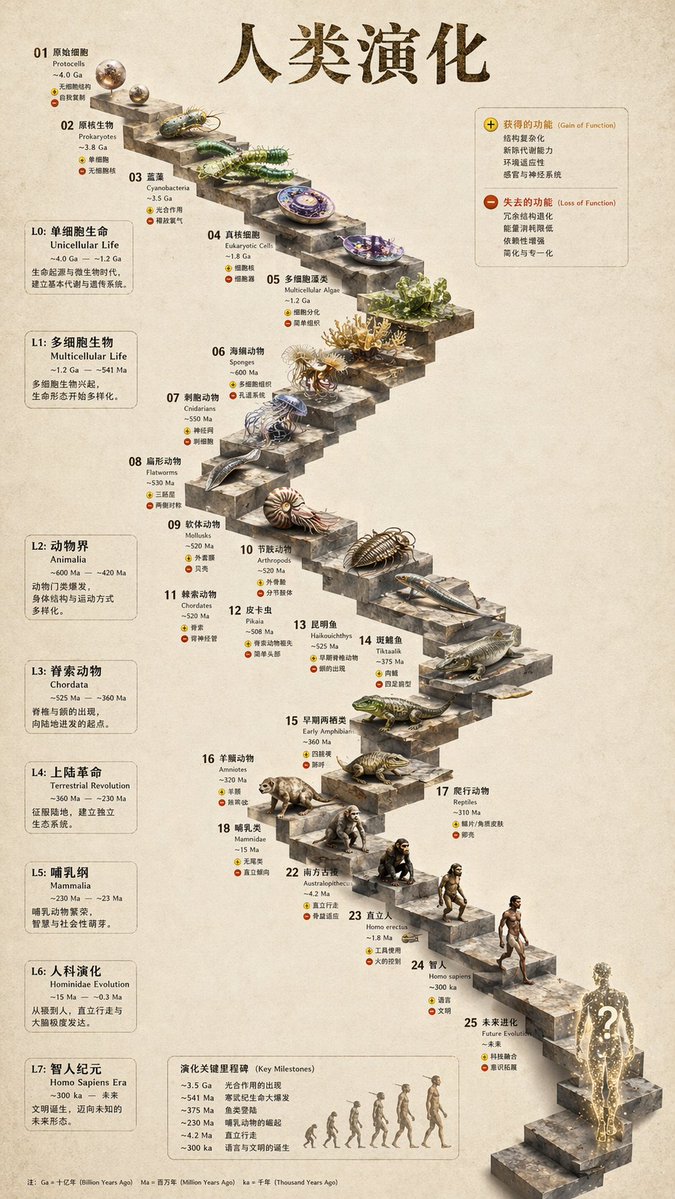 3D Stone Staircase Evolution Infographic 3-step infographic, hewn-stone aesthetic |
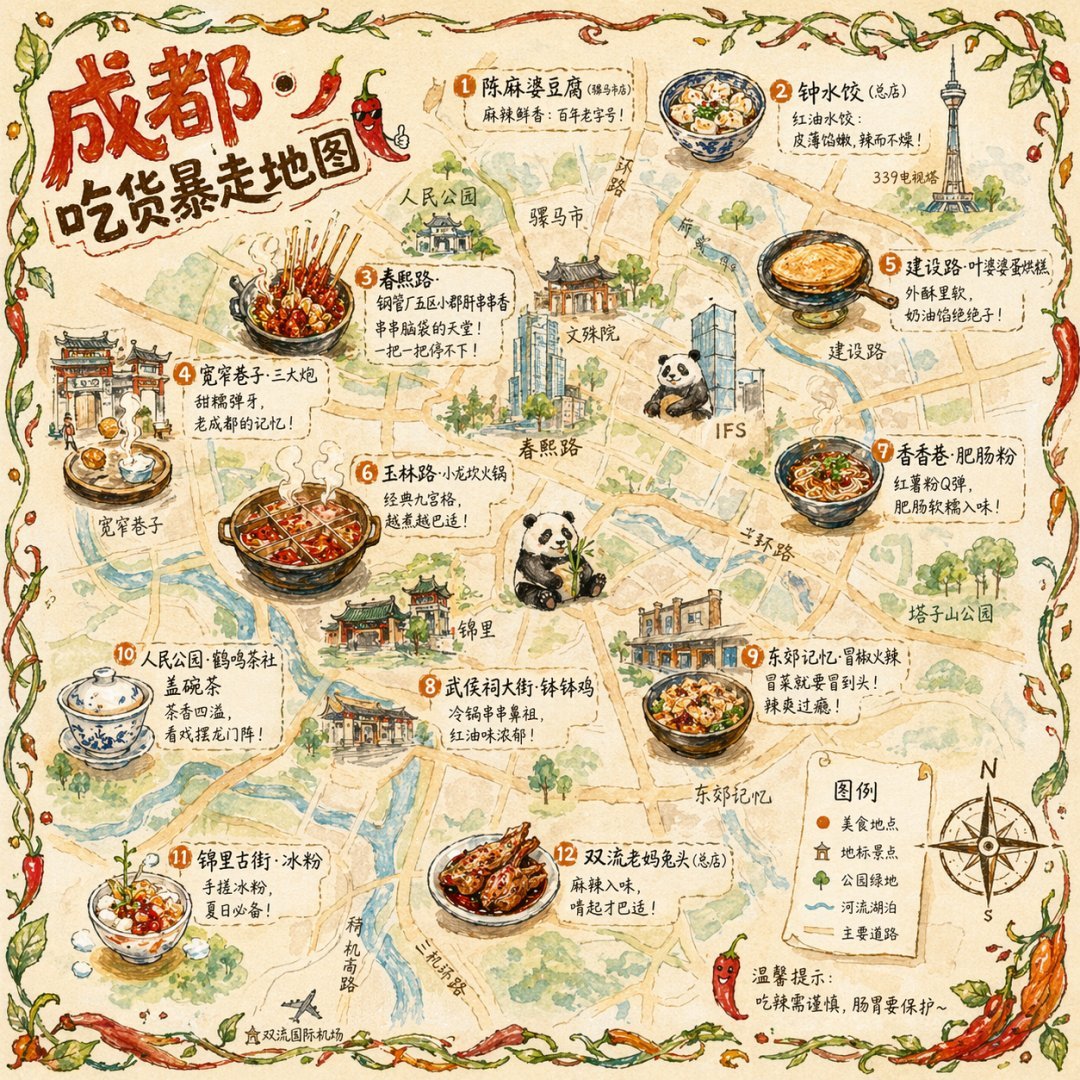 Illustrated City Food Map Editorial hand-illustrated travel poster |
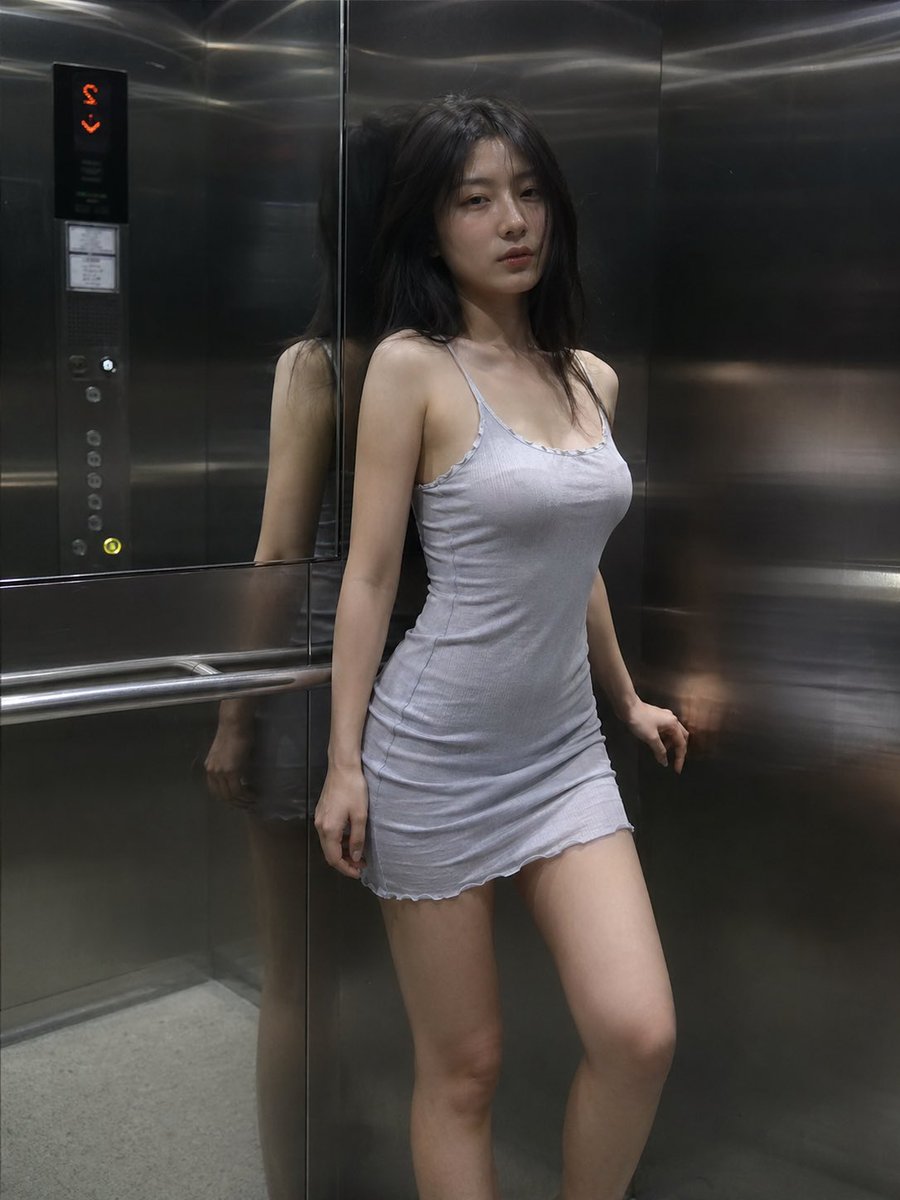 Cinematic Elevator Scene Single-frame editorial fashion still |
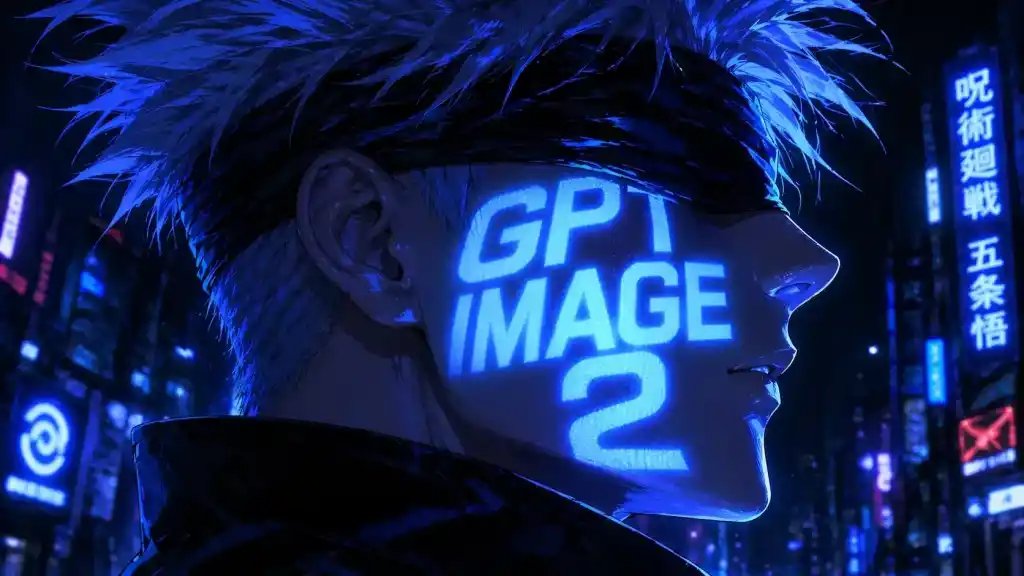 Cyberpunk Anime Portrait Profile avatar — neon face text |
 Glamorous Woman in Black Portrait Editorial studio portrait |
Full set → prompt-templates/image/. Sources: most pull from YouMind-OpenLab/awesome-gpt-image-prompts (CC-BY-4.0) with author attribution preserved per template.
 Music Podcast & Guitar Technique 4K cinematic studio film |
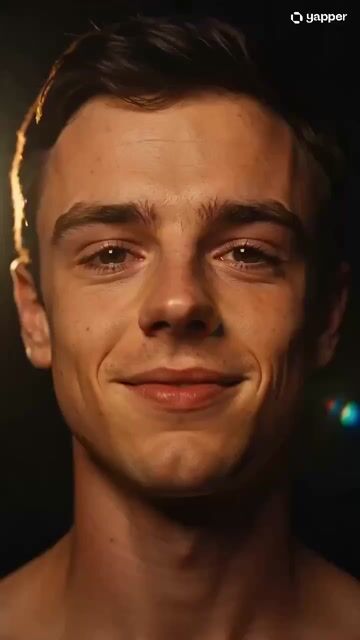 Emotional Face Close-up Cinematic micro-expression study |
 Luxury Supercar Cinematic Narrative product film |
 Forbidden City Cat Satire Stylised satire short |
 Japanese Romance Short Film 15s Seedance 2.0 narrative |
Click any thumbnail to play the actual rendered MP4. Full set → prompt-templates/video/ (the *-seedance-* and Cinematic-tagged entries). Sources: YouMind-OpenLab/awesome-seedance-2-prompts (CC-BY-4.0) with original tweet links and author handles preserved.
heygen-com/hyperframes is HeyGen's open-source agent-native video framework — you (or the agent) write HTML + CSS + GSAP, HyperFrames renders it to a deterministic MP4 via headless Chrome + FFmpeg. Open Design ships HyperFrames as a first-class video model (hyperframes-html) wired into the daemon dispatch, plus the skills/hyperframes/ skill that teaches the agent the timeline contract, scene-transition rules, audio-reactive patterns, captions/TTS, and the catalog blocks (npx hyperframes add <slug>).
Eleven hyperframes prompts ship under prompt-templates/video/hyperframes-*.json, each one a concrete brief that produces a specific archetype:
 5s minimal product reveal · 16:9 · push-in title card with shader transition |
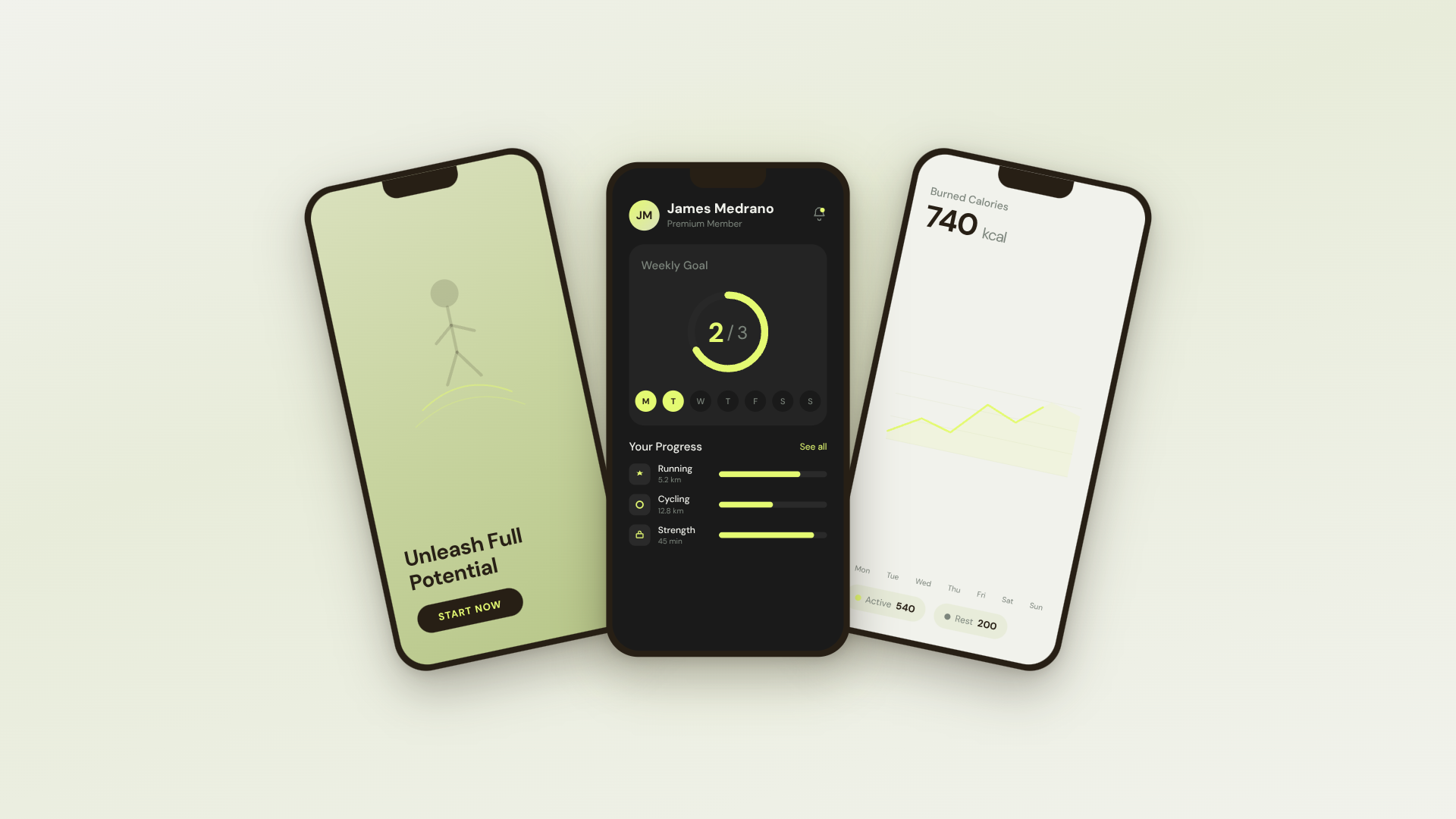 30s SaaS product promo · 16:9 · Linear/ClickUp-style with UI 3D reveals |
 TikTok karaoke talking-head · 9:16 · TTS + word-synced captions |
30s brand sizzle reel · 16:9 · beat-synced kinetic typography, audio-reactive |
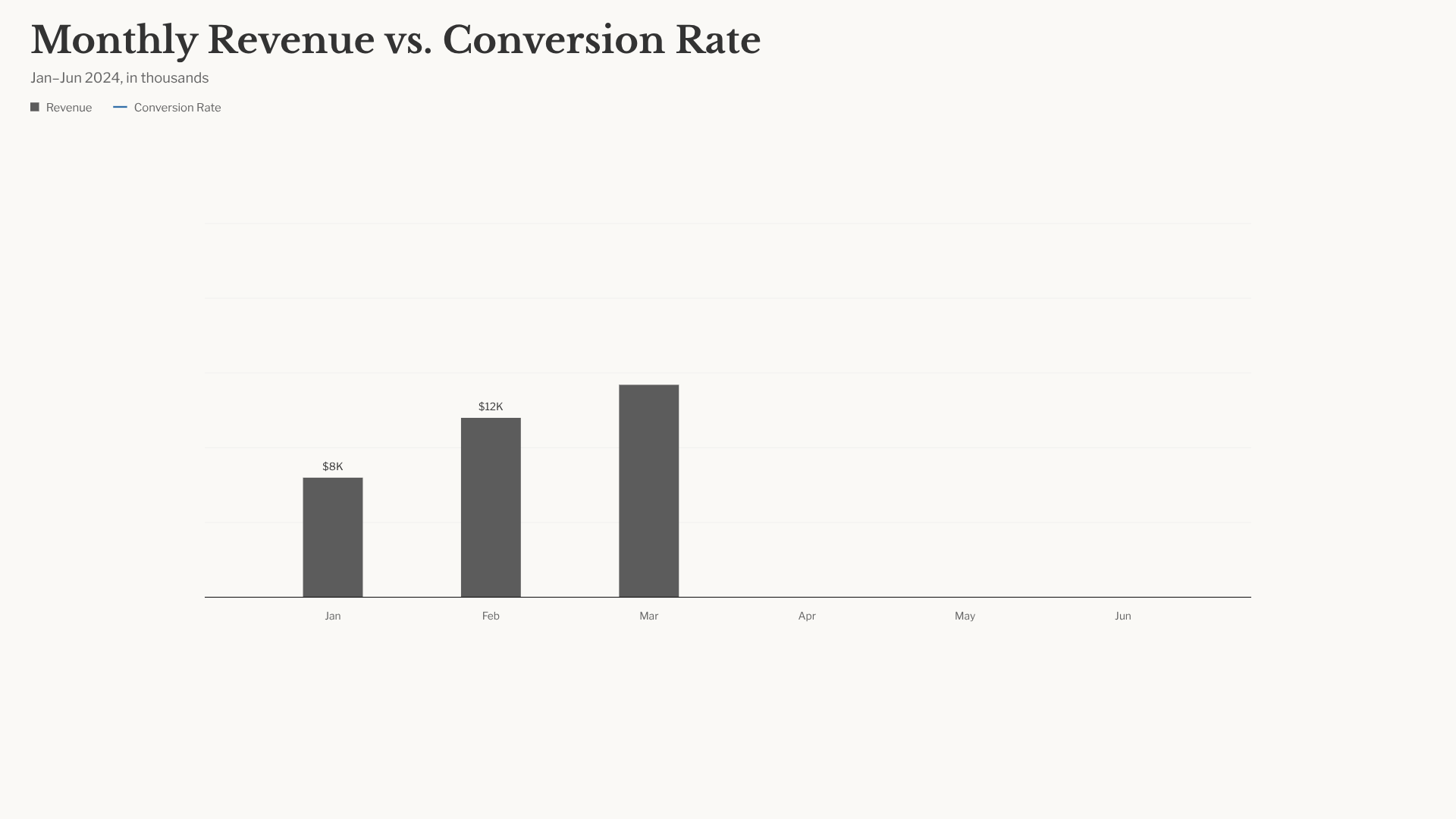 Animated bar-chart race · 16:9 · NYT-style data infographic |
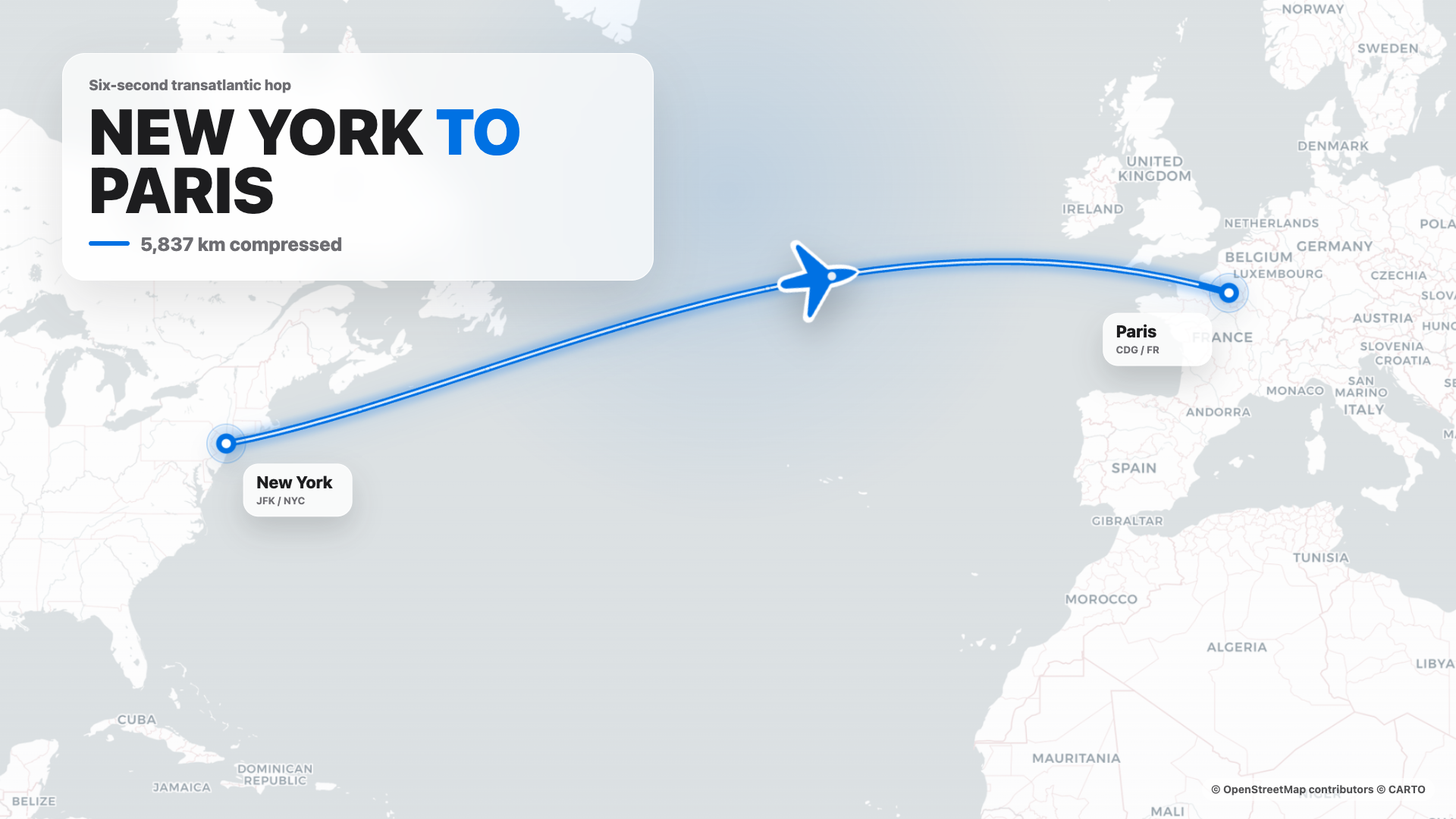 Flight map (origin → dest) · 16:9 · Apple-style cinematic route reveal |
4s cinematic logo outro · 16:9 · piece-by-piece assembly + bloom |
 $0 → $10K money counter · 9:16 · Apple-style hype with green flash + burst |
3-phone app showcase · 16:9 · floating phones with feature callouts |
 Social overlay stack · 9:16 · X · Reddit · Spotify · Instagram in sequence |
Website-to-video pipeline · 16:9 · captures site at 3 viewports + transitions |
Pattern is the same as the rest: pick a template, edit the brief, send. The agent reads the bundled skills/hyperframes/SKILL.md (which carries the OD-specific render workflow — composition source files into a .hyperframes-cache/ so they don't clutter the file workspace, daemon dispatches npx hyperframes render to dodge the macOS sandbox-exec / Puppeteer hang, only the final .mp4 lands as a project chip), authors the composition, and ships an MP4. Catalog block thumbnails © HeyGen, served from their CDN; the OSS framework itself is Apache-2.0.
Also wired but not surfaced as templates yet: Kling 2.0 / 1.6 / 1.5, Veo 3 / Veo 2, Sora 2 / Sora 2-Pro (via Fal), MiniMax video-01 — all live in
VIDEO_MODELS(apps/web/src/media/models.ts). Suno v5 / v4.5, Udio v2, Lyria 2 (music) and gpt-4o-mini-tts, MiniMax TTS (speech) cover the audio surface. Templates for these are open contributions — drop a JSON intoprompt-templates/video/orprompt-templates/audio/and it shows up in the picker.
The chat / artifact loop gets the spotlight, but a handful of less-visible capabilities are already wired and worth knowing before you compare OD to anything else:
- Claude Design ZIP import. Drop an export from claude.ai onto the welcome dialog.
POST /api/import/claude-designextracts it into a real.od/projects/<id>/, opens the entry file as a tab, and stages a continue-where-Anthropic-left-off prompt for your local agent. No re-prompting, no "ask the model to re-create what we just had". (apps/daemon/src/server.ts—/api/import/claude-design) - OpenAI-compatible BYOK proxy.
POST /api/proxy/streamtakes{ baseUrl, apiKey, model, messages }, normalises the path (…/v1/chat/completions), forwards SSE chunks back to the browser, and rejects loopback / link-local / RFC1918 destinations to head off SSRF. Anything that speaks the OpenAI chat schema works — Anthropic-via-OpenAI shim, DeepSeek, Groq, MiMo, OpenRouter, your self-hosted vLLM. MiMo getstool_choice: 'none'automatically because its tool schema misbehaves on free-form generation. - User-saved templates. Once you like a render,
POST /api/templatessnapshots the HTML + metadata into the SQLitetemplatestable. The next project picks it from a "your templates" row in the picker — same surface as the shipped 31, but yours. - Tab persistence. Every project remembers its open files and active tab in the
tabstable. Reopen the project tomorrow and the workspace looks exactly the way you left it. - Artifact lint API.
POST /api/artifacts/lintruns structural checks on a generated artifact (broken<artifact>framing, missing required side files, stale palette tokens) and returns findings the agent can read back into its next turn. The five-dim self-critique uses this to ground its score in real evidence, not vibes. - Sidecar protocol + desktop automation. Daemon, web, and desktop processes carry typed five-field stamps (
app · mode · namespace · ipc · source) and expose a JSON-RPC IPC channel at/tmp/open-design/ipc/<namespace>/<app>.sock.tools-dev inspect desktop status \| eval \| screenshotdrives that channel, so headless E2E works against a real Electron shell without bespoke harnesses (packages/sidecar-proto/,apps/desktop/src/main/). - Windows-friendly spawning. Every adapter that would otherwise blow
CreateProcess's ~32 KB argv limit on long composed prompts (Codex, Gemini, OpenCode, Cursor Agent, Qwen, Pi) feeds the prompt over stdin instead. Claude Code and Copilot keep-p; the daemon falls back to a temp prompt-file when even that overflows. - Per-namespace runtime data.
OD_DATA_DIRand--namespacegive you fully isolated.od/-style trees, so Playwright, beta channels, and your real projects never share a SQLite file.
The whole machinery below is the huashu-design playbook, ported into OD's prompt-stack and made enforceable per-skill via the side-file pre-flight. Read apps/web/src/prompts/discovery.ts for the live wording:
- Question form first. Turn 1 is
<question-form>only — no thinking, no tools, no narration. The user chooses defaults at radio speed. - Brand-spec extraction. When the user attaches a screenshot or URL, the agent runs a five-step protocol (locate · download · grep hex · codify
brand-spec.md· vocalise) before writing CSS. Never guesses brand colors from memory. - Five-dim critique. Before emitting
<artifact>, the agent silently scores its output 1–5 across philosophy / hierarchy / execution / specificity / restraint. Anything under 3/5 is a regression — fix and rescore. Two passes is normal. - P0/P1/P2 checklist. Every skill ships a
references/checklist.mdwith hard P0 gates. The agent must pass P0 before emitting. - Slop blacklist. Aggressive purple gradients, generic emoji icons, rounded card with left-border accent, hand-drawn SVG humans, Inter as a display face, invented metrics — explicitly forbidden in the prompt.
- Honest placeholders > fake stats. When the agent doesn't have a real number, it writes
—or a labelled grey block, not "10× faster".
| Axis | Claude Design (Anthropic) | Open CoDesign | Open Design |
|---|---|---|---|
| License | Closed | MIT | Apache-2.0 |
| Form factor | Web (claude.ai) | Desktop (Electron) | Web app + local daemon |
| Deployable on Vercel | ❌ | ❌ | ✅ |
| Agent runtime | Bundled (Opus 4.7) | Bundled (pi-ai) |
Delegated to user's existing CLI |
| Skills | Proprietary | 12 custom TS modules + SKILL.md |
31 file-based SKILL.md bundles, droppable |
| Design system | Proprietary | DESIGN.md (v0.2 roadmap) |
DESIGN.md × 129 systems shipped |
| Provider flexibility | Anthropic only | 7+ via pi-ai |
10 CLI adapters + OpenAI-compatible BYOK proxy |
| Init question form | ❌ | ❌ | ✅ Hard rule, turn 1 |
| Direction picker | ❌ | ❌ | ✅ 5 deterministic directions |
| Live todo progress + tool stream | ❌ | ✅ | ✅ (UX pattern from open-codesign) |
| Sandboxed iframe preview | ❌ | ✅ | ✅ (pattern from open-codesign) |
| Claude Design ZIP import | n/a | ❌ | ✅ POST /api/import/claude-design — keep editing where Anthropic left off |
| Comment-mode surgical edits | ❌ | ✅ | 🚧 roadmap (lift from open-codesign) |
| AI-emitted tweaks panel | ❌ | ✅ | 🟡 partial — tweaks skill ships, dedicated chat-side panel UX still on roadmap |
| Filesystem-grade workspace | ❌ | partial (Electron sandbox) | ✅ Real cwd, real tools, persisted SQLite (projects · conversations · messages · tabs · templates) |
| 5-dim self-critique | ❌ | ❌ | ✅ Pre-emit gate |
| Artifact lint | ❌ | ❌ | ✅ POST /api/artifacts/lint — findings fed back to the agent |
| Sidecar IPC + headless desktop | ❌ | ❌ | ✅ Stamped processes + tools-dev inspect desktop status | eval | screenshot |
| Export formats | Limited | HTML / PDF / PPTX / ZIP / Markdown | HTML / PDF / PPTX (agent-driven) / ZIP / Markdown |
| PPT skill reuse | N/A | Built-in | guizang-ppt-skill drops in (default for deck mode) |
| Minimum billing | Pro / Max / Team | BYOK | BYOK — paste any OpenAI-compatible baseUrl |
Auto-detected from PATH on daemon boot. No config required. Streaming dispatch lives in apps/daemon/src/agents.ts (AGENT_DEFS); per-CLI parsers live alongside it. Models are populated either by probing <bin> --list-models / <bin> models / ACP handshake, or from a curated fallback list when the CLI doesn't expose a list.
| Agent | Bin | Stream format | Argv shape (composed prompt path) |
|---|---|---|---|
| Claude Code | claude |
claude-stream-json (typed events) |
claude -p <prompt> --output-format stream-json --verbose [--include-partial-messages] [--add-dir …] --permission-mode bypassPermissions |
| Codex CLI | codex |
json-event-stream + codex parser |
codex exec --json --skip-git-repo-check --full-auto [-C cwd] [--model …] [-c model_reasoning_effort=…] - (prompt on stdin) |
| Gemini CLI | gemini |
json-event-stream + gemini parser |
gemini --output-format stream-json --skip-trust --yolo [--model …] - (prompt on stdin) |
| OpenCode | opencode |
json-event-stream + opencode parser |
opencode run --format json --dangerously-skip-permissions [--model …] - (prompt on stdin) |
| Cursor Agent | cursor-agent |
json-event-stream + cursor-agent parser |
cursor-agent --print --output-format stream-json --stream-partial-output --force --trust [--workspace cwd] [--model …] - (prompt on stdin) |
| Qwen Code | qwen |
plain (raw stdout chunks) |
qwen --yolo [--model …] - (prompt on stdin) |
| GitHub Copilot CLI | copilot |
copilot-stream-json (typed events) |
copilot -p <prompt> --allow-all-tools --output-format json [--model …] [--add-dir …] |
| Hermes | hermes |
acp-json-rpc (Agent Client Protocol) |
hermes acp --accept-hooks |
| Kimi CLI | kimi |
acp-json-rpc |
kimi acp |
| Kiro CLI | kiro-cli |
acp-json-rpc |
kiro-cli acp |
| Pi | pi |
pi-rpc (stdio JSON-RPC) |
pi --mode rpc --no-session [--model …] [--thinking …] (prompt sent as RPC prompt command) |
| OpenAI-compatible BYOK | n/a | SSE pass-through | POST /api/proxy/stream → <baseUrl>/v1/chat/completions; SSRF-guarded against loopback / link-local / RFC1918 |
Adding a new CLI is one entry in apps/daemon/src/agents.ts. Streaming format is one of claude-stream-json, copilot-stream-json, json-event-stream (with a per-CLI eventParser), acp-json-rpc, pi-rpc, or plain.
Every external project this repo borrows from. Each link goes to the source so you can verify the provenance.
| Project | Role here |
|---|---|
Claude Design |
The closed-source product this repo is the open-source alternative to. |
alchaincyf/huashu-design |
The design-philosophy core. Junior-Designer workflow, the 5-step brand-asset protocol, anti-AI-slop checklist, 5-dimensional self-critique, and the "5 schools × 20 design philosophies" library behind our direction picker — all distilled into apps/web/src/prompts/discovery.ts and apps/web/src/prompts/directions.ts. |
op7418/guizang-ppt-skill |
Magazine-web-PPT skill bundled verbatim under skills/guizang-ppt/ with original LICENSE preserved. Default for deck mode. P0/P1/P2 checklist culture borrowed for every other skill. |
multica-ai/multica |
The daemon + adapter architecture. PATH-scan agent detection, local daemon as the only privileged process, agent-as-teammate worldview. We adopt the model; we do not vendor the code. |
OpenCoworkAI/open-codesign |
The first open-source Claude-Design alternative and our closest peer. UX patterns adopted: streaming-artifact loop, sandboxed-iframe preview (vendored React 18 + Babel), live agent panel (todos + tool calls + interruptible), five-format export list (HTML/PDF/PPTX/ZIP/Markdown), local-first storage hub, SKILL.md taste-injection. UX patterns on our roadmap: comment-mode surgical edits, AI-emitted tweaks panel. We deliberately do not vendor pi-ai — open-codesign bundles it as the agent runtime; we delegate to whichever CLI the user already has. |
VoltAgent/awesome-claude-design / awesome-design-md |
Source of the 9-section DESIGN.md schema and 70 product systems imported via scripts/sync-design-systems.ts. |
bergside/awesome-design-skills |
Source of 57 design skills added directly as normalized DESIGN.md files under design-systems/. |
farion1231/cc-switch |
Inspiration for symlink-based skill distribution across multiple agent CLIs. |
| Claude Code skills | The SKILL.md convention adopted verbatim — any Claude Code skill drops into skills/ and is picked up by the daemon. |
Long-form provenance write-up — what we take from each, what we deliberately don't — lives at docs/references.md.
- Daemon + agent detection (10 CLI adapters) + skill registry + design-system catalog
- Web app + chat + question form + 5-direction picker + todo progress + sandboxed preview
- 31 skills + 72 design systems + 5 visual directions + 5 device frames
- SQLite-backed projects · conversations · messages · tabs · templates
- OpenAI-compatible BYOK proxy (
/api/proxy/stream) with SSRF guard - Claude Design ZIP import (
/api/import/claude-design) - Sidecar protocol + Electron desktop with IPC automation (STATUS / EVAL / SCREENSHOT / CONSOLE / CLICK / SHUTDOWN)
- Artifact lint API + 5-dim self-critique pre-emit gate
- Comment-mode surgical edits (click element → instruction → patch) — pattern from
open-codesign - AI-emitted tweaks panel UX — building block (
tweaksskill) ships; chat-integrated panel still pending - Vercel + tunnel deployment recipe (Topology B)
- One-command
npx od initto scaffold a project withDESIGN.md - Skill marketplace (
od skills install <github-repo>) andod skill add | list | remove | testCLI surface (drafted indocs/skills-protocol.md, implementation pending) - Packaged Electron build out of
apps/packaged/
Phased delivery → docs/roadmap.md.
This is an early implementation — the closed loop (detect → pick skill + design system → chat → parse <artifact> → preview → save) runs end-to-end. The prompt stack and skill library are where most of the value lives, and they're stable. The component-level UI is shipping daily.

If this saved you thirty minutes — give it a ★. Stars don't pay rent, but they tell the next designer, agent, and contributor that this experiment is worth their attention. One click, three seconds, real signal: github.com/nexu-io/open-design.
Issues, PRs, new skills, and new design systems are all welcome. The highest-leverage contributions are usually one folder, one Markdown file, or one PR-sized adapter:
- Add a skill — drop a folder into
skills/following theSKILL.mdconvention. - Add a design system — drop a
DESIGN.mdintodesign-systems/<brand>/using the 9-section schema. - Wire up a new coding-agent CLI — one entry in
apps/daemon/src/agents.ts.
Full walkthrough, bar-for-merging, code style, and what we don't accept → CONTRIBUTING.md (Deutsch, 简体中文).
Thanks to everyone who has helped move Open Design forward — through code, docs, feedback, new skills, new design systems, or even a sharp issue. Every real contribution counts, and the wall below is the easiest way to say so out loud.
If you've shipped your first PR — welcome. The good-first-issue label is the entry point.

The SVG above is regenerated daily by .github/workflows/metrics.yml using lowlighter/metrics. Trigger a manual refresh from the Actions tab if you want it sooner; for richer plugins (traffic, follow-up time), add a METRICS_TOKEN repository secret with a fine-grained PAT.
If the curve bends up, that's the signal we look for. ★ this repo to push it.
The HTML PPT Studio family of skills — the master skills/html-ppt/ and the per-template wrappers under skills/html-ppt-*/ (15 full-deck templates, 36 themes, 31 single-page layouts, 27 CSS animations + 20 canvas FX, the keyboard runtime, and the magnetic-card presenter mode) — are integrated from the open-source project lewislulu/html-ppt-skill (MIT). The upstream LICENSE ships in-tree at skills/html-ppt/LICENSE and authorship credit goes to @lewislulu. Each per-template Examples card (html-ppt-pitch-deck, html-ppt-tech-sharing, html-ppt-presenter-mode, html-ppt-xhs-post, …) delegates authoring guidance to the master skill so the upstream's prompt → output behavior is preserved end-to-end when you click Use this prompt.
The magazine / horizontal-swipe deck flow under skills/guizang-ppt/ is integrated from op7418/guizang-ppt-skill (MIT). Authorship credit goes to @op7418.
Apache-2.0. The bundled skills/guizang-ppt/ retains its original LICENSE (MIT) and authorship attribution to op7418. The bundled skills/html-ppt/ retains its original LICENSE (MIT) and authorship attribution to lewislulu.